
Numb From the Grip—How to Let Your Hand Feel Again
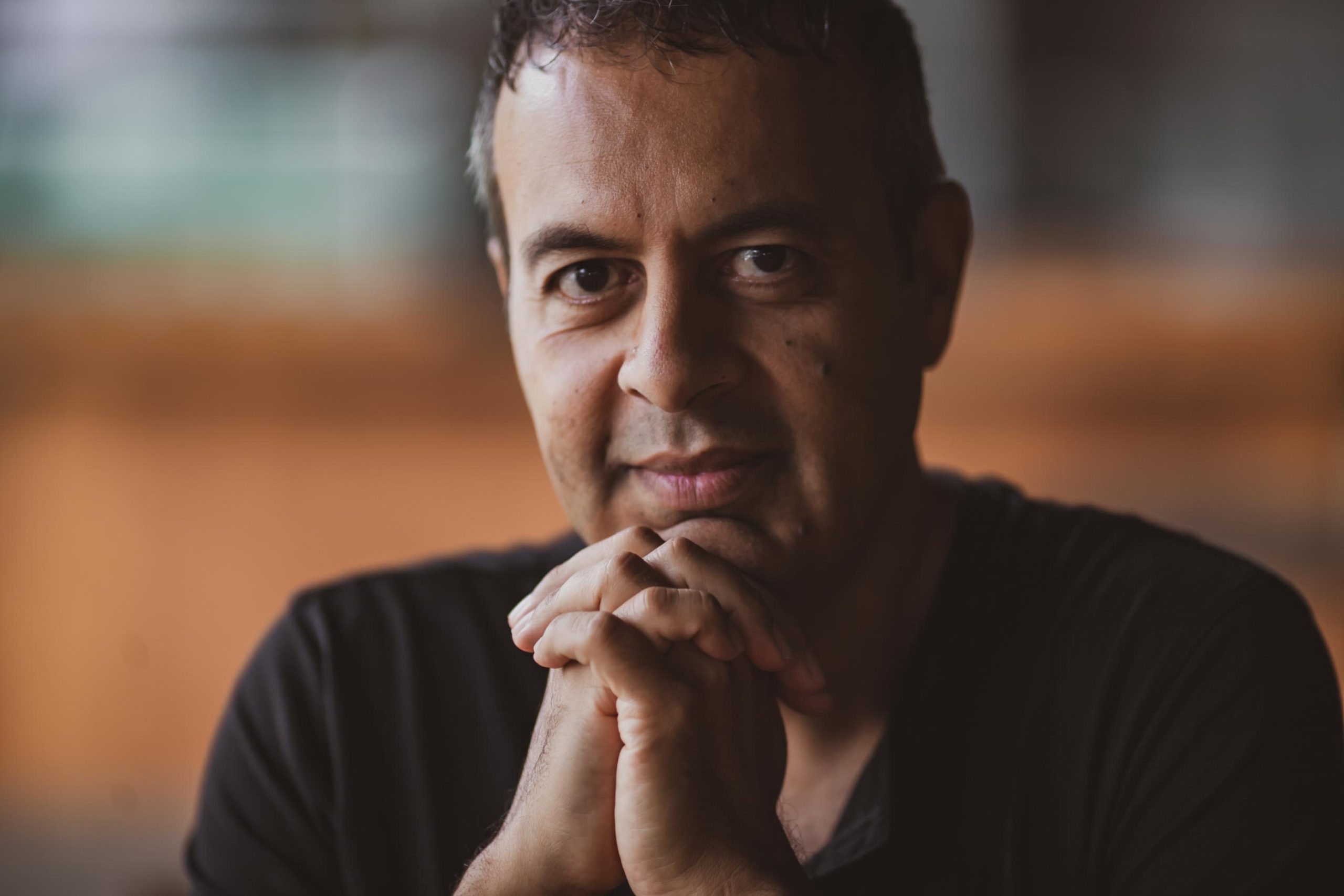
You keep your grip so tight on the proof of your worth—the approval, the results, the evidence that you matter—that you have stopped feeling your own hand. The numbness has convinced you it is strength. You are terrified to let go because you can no longer tell what you are even holding.
This is not a character flaw. This is what happens when you have learned, early and often, that your value is something you must earn and prove and defend every single day. But there is a way to return sensation to what has gone dead—and it begins with understanding exactly what you are clutching, and why.
The Coin in the Closed Fist
Picture a hand—yours, if you will—with the fingers curled so tightly around a single coin that the knuckles have gone white and the palm itself has turned pale from the pressure. The coin is small, but the grip is absolute. The fingers have been locked this way for so long that the person holding it has forgotten what it felt like to have an open hand. The sensation has drained out. The muscles have set into a permanent curve. If you were to watch this hand from the outside, you would see someone protecting something precious—but what you would actually see, if you looked long enough, is someone who has stopped being able to feel whether the coin is still there at all.
That is your power, and the hand that has stolen it is your own. The coin is not what you think it is. It is not actually a coin—it is the idea that your worth depends on what you produce, on who needs you, on whether the right people are watching. You have held this idea so close, so long, that you have gone numb to your own grip. The numbness feels like safety. It feels like control. It is neither.
Why You Learned to Squeeze
You were taught, early, that love was conditional—that it arrived when you performed, when you made it easy, when you did not ask for anything that would inconvenience the people you needed. You learned to read the room the way other people read maps. You learned that being necessary was the same as being valuable, and that if you stopped producing proof, the proof of your existence would be questioned. So you began to grip. You gripped your achievements. You gripped your usefulness. You gripped the approval that came when you did the right thing, said the right thing, became the right kind of person.
And then something happened that the grip could not manage: you became tired. You achieved what you thought would be enough, and it was not. You did everything right, and the approval was still conditional, still withheld, still just out of reach. Or you gave and gave and the people you gave to never seemed satisfied—and somewhere in that cycle, your hand went numb. The pressure became so constant that you stopped noticing it was there. The lack of sensation became proof of your strength. You told yourself: I am not like other people. I do not need reassurance. I do not need rest. I do not need to feel my own life as I am living it. This numbness in your palm, this deadness in your grip—you renamed it discipline. You renamed it commitment. You renamed it love.
What Happens When You Release
The first thing you need to know is this: loosening your grip will hurt. Not because you are weak, but because sensation is returning to a place that has been numb. When you finally open your hand—truly open it, not just pretend to—your fingers will ache. You will feel the blood moving back into the palm. You will feel the weight of the coin for the first time in years, and it will be lighter than you feared and heavier than you expected, all at once. You might cry. You might feel rage at how long you held it. You might feel grief for the years you spent gripping instead of living. This is not a sign that you are failing. This is a sign that you are returning to yourself.
Here is what I ask of you: reach out to someone who knows how to help you untangle this—a good therapist, a trusted person, someone who has done their own work on this same knot. This is not weakness. This is wisdom. Your nervous system has learned to interpret numbness as safety, and you cannot think your way out of that alone. You need a steady hand holding yours while your own hand remembers how to feel. As you do this work, notice what happens in your body when you imagine opening your fingers. Notice the fear. Do not move past it—move toward it. The fear is the place where the real change lives. And when you finally do open your hand and feel the coin drop, when you finally feel the ache of returning life in your own palm, you will understand something that no amount of achieving or proving could ever teach you: you were never the coin. You were always the hand that held it. Your worth was never in the holding. It was in the releasing.
| What runs through your mind | What’s actually true |
|---|---|
| If I stop proving myself, they will leave me. | The people worth keeping will stay. The ones who leave were always going to leave, because you could never prove enough. |
| I need to do more, achieve more, become more valuable. | You are already valuable. The grip is so tight you cannot feel it anymore. More achievement will only tighten it further. |
| Resting means I am weak and lazy and do not care. | Resting is where your nervous system learns that your worth does not depend on your output. It is the opposite of weakness. |
| If I stop being needed, I will disappear. | You will become visible—to yourself, for the first time. That terrifies you more than disappearing ever could. |
| Other people manage to hold it all without falling apart. | Other people are also falling apart. They are just holding their hands closed so tight you cannot see the trembling. |
A little help, while you’re here
- Sit with your hands open on your lap for five minutes, without doing anything productive. Just open hands. Notice every sensation—the air, the weight, the urge to grab something, the fear. Do this once a day until it stops feeling terrifying.
- Write down one thing you did this week that you did NOT post, prove, or tell anyone about. Something that was just for you. Do it again next week, and the week after.
- Call one person and tell them about something you are struggling with instead of something you have accomplished. Sit with the discomfort of being seen as human instead of capable.
The Hand That Can Feel
When your grip finally loosens—and it will, if you tend to this with patience and help—the first thing you will feel is the weight of the coin. Then you will feel your own pulse in your palm, the blood returning, the life that was always there but that you could no longer sense. The sensation will be painful and true and absolutely necessary. Your fingers will remember how to move. Your hand will remember it is not a tool. It is part of you.
And here is the thing that will surprise you: the coin will still be there. It will not have fallen. You will not have dropped it. But now you can feel it. Now you can choose to hold it or release it. Now your hand belongs to you again instead of to the grip. The proof of your worth does not live in how tightly you can squeeze. It lives in the fact that you have a hand at all—that you can feel, that you can move, that you can touch the world and be touched by it. That has always been enough. That will always be enough. The numbness was the lie. The sensation is the truth coming home.
Your power was never in the holding. Your power is in the opening. And when you finally open your hand—not all the way, not all at once, but truly, with feeling—you will discover something radical: you are still there. You were always still there. You just could not feel yourself anymore.