Why Does This Feel Easy—Two Dancers Learning To Move
You have felt it from both sides now — the relationship where wanting someone was easy and doing anything about it was a war, every reach met with static, every plan for closeness turning into a negotiation nobody won. And then, with this one person, the opposite: you want something and your hands already know how to move toward it, without the usual bracing, without the usual apology before you’ve even done anything wrong. You typed those five words into a search bar at midnight because you needed a name for that second thing, and because some old, tired part of you does not trust ease when it finally shows up.
I am not going to tell you it is luck, and I am not going to tell you it will last without you. What I want to hand you is a picture — an old one, older than charts, older than the word synastry itself — because once you see it, you will stop asking whether the ease is real and start asking the better question, which is what to do with it now that you have it.
Two Dancers Learning
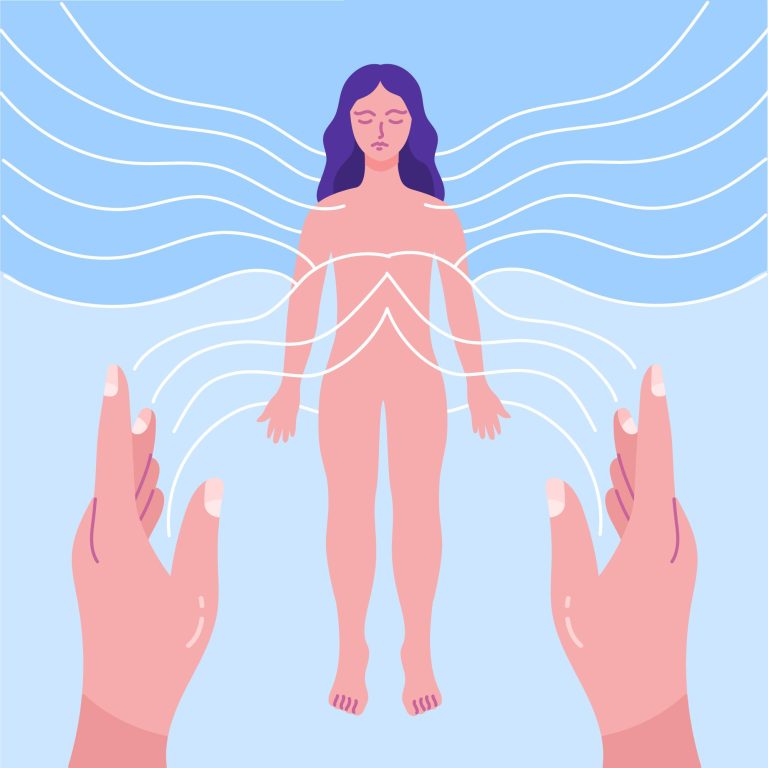
Picture two people on a floor with no music yet, trying to move together for the first time. One steps forward at the exact moment the other steps back, and they collide, softly, and laugh, and try again. One holds the other too rigidly, afraid of leading wrong. One resists being led, afraid of disappearing into someone else’s rhythm. Watching from the side, you would say: they are trying so hard. You would see two good bodies working against each other in the name of working together — overcorrecting, apologizing with their feet, counting under their breath.
And then, sometimes, watching that same floor with a different pair, you see something that has no visible effort in it at all. Nobody is counting. Nobody is watching their feet. The one who wants to turn is already being turned. The one who wants to close distance finds the distance already closing. It looks like grace, and people call it chemistry, and they are not entirely wrong — but what they are actually watching is two different systems in a person, wanting and doing, sitting at an angle to each other that lets them work as one motion instead of two competing ones.
That is what this aspect is. Not proof that you will never step on each other’s feet — every pair does, eventually, on some floor, on some night — but a floor built with less friction in it than most. What you want and what you are able to do about wanting it are no longer fighting for the same turn to speak. That is the whole of the gift, and it is not a small one.
Why It Feels Given, Not Earned
In you, wanting and doing are not the same organ. One is the pull toward a person, a pleasure, a life you find beautiful — the reaching. The other is the muscle that acts on the reach, that initiates, pursues, asserts, moves a body or a plan or a hand across a room. Most of your life, in most rooms, those two have needed managing. You have wanted something and had to talk yourself into acting on it, or acted before you were sure you wanted it, and paid for the gap between the two.
What this configuration between two people’s charts describes is a moment where that gap simply is not there between you and this other person. Your wanting meets their capacity to act, or their wanting meets yours, at an angle that requires no translation. This is the second thing the dancers show you — not the early awkwardness now, but the moment, partway into the dance, where one of them stops trying to lead and the other stops resisting being led, and neither of them decided that out loud. Nobody called a meeting. The resistance simply had nowhere left to grip.
That is why it can feel less like something you built and more like something you were given. You were. But given is not the same as guaranteed to stay, and a floor with less friction is still a floor two people are standing on.
How To Move With It Now
Do not spend this ease proving it is real. I have watched people, capable people, people who hold others for a living, take the one relationship where the wanting and the doing finally agree and interrogate it until it breaks under the questioning — because trust, for them, has always had to be earned through vigilance, and an unearned ease feels like a trap waiting to spring. It is not a trap. It is a floor. You still have to dance on it.
That means you keep choosing to move, even when moving is easy — a floor with less friction is not a floor with no upkeep. It is the third thing the dancers teach: watch them long enough into the dance and you will see they no longer discuss who leads. One’s intention simply meets the other’s motion, again and again, without a word, because they kept dancing long enough for that wordlessness to be earned on top of what was given. Keep showing up to move, even without the friction to remind you it matters.
And if what surfaces here touches older ground — an old fear of wanting anything openly, an old wound around being led, a body that flinches at ease it did not have to fight for — that is not something a chart, mine or anyone’s, can finish healing. A good therapist, a trusted friend who will tell you the truth, real and present help: that is wisdom, not a failure of faith, and no reading of the sky was ever meant to replace it. I would rather you have both the vision and the care than mistake one for the other.
The Dance They Learn From You
Here is the last thing the two dancers show you, and it is the one meant for someone like you, who spends her days holding other people’s feet as they learn to move. Watch them long past the point of learning, and you find they have become something to point at — not because they never step on each other anymore, but because whoever is near them can feel, without being told, what it looks like when wanting and doing stop arguing and start moving as one thing.
That is what you carry out of this, past the search bar, past the question of whether the ease is deserved. Not a private comfort to hoard, but a template — for the people you guide, for the rooms you hold, for every person who comes to you still counting their feet, still bracing before they reach for what they want. You show them, without a lecture, that force was never the way through. Felt attunement was.
So let the floor be easier than you expected. Let the two of you move without discussing it, more and more of the time. Not force. Not resistance. Not two people managing each other — one dance, finally, learning itself.