
Emotional Triggers—The Grip, Not the Fall
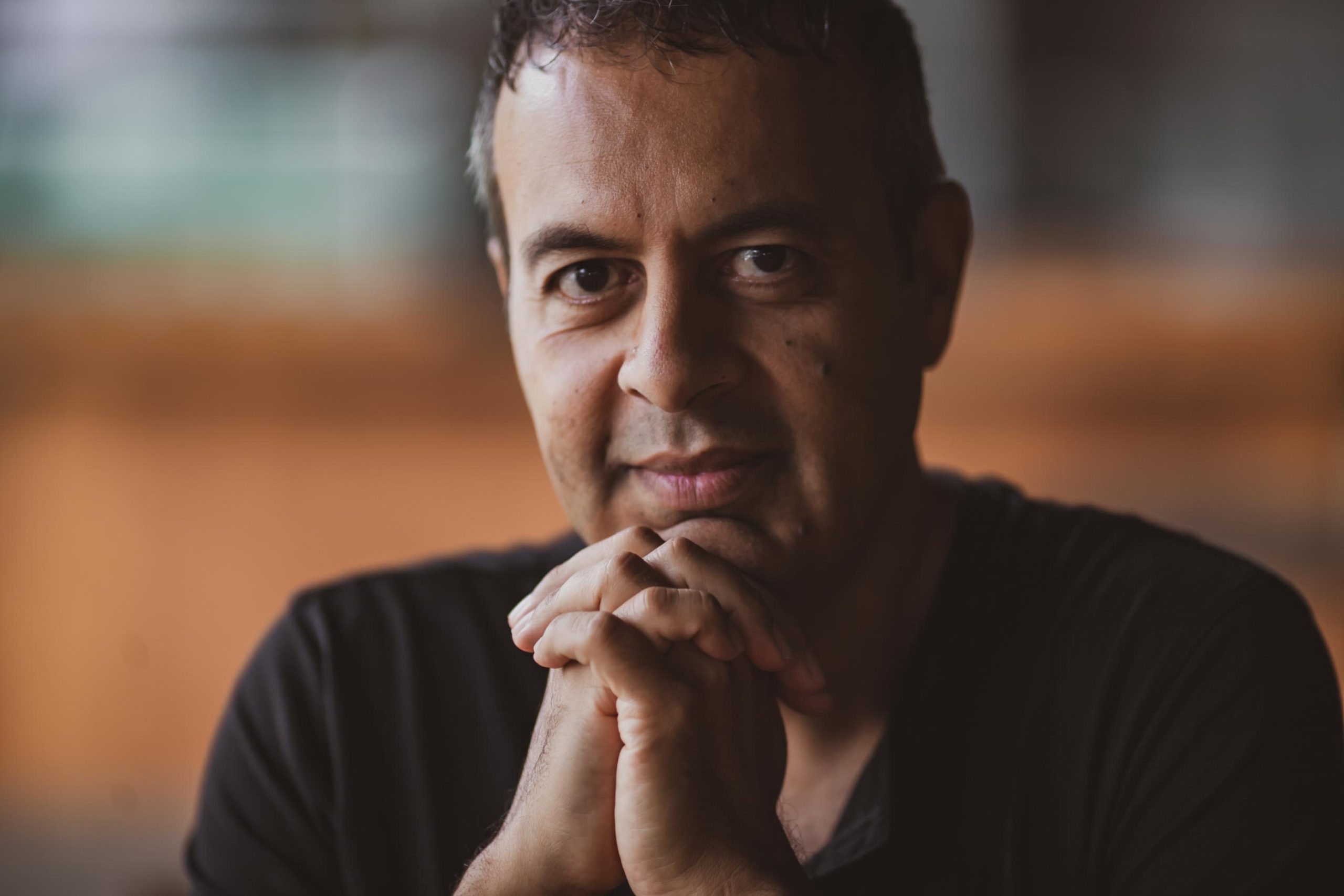
You feel it coming — that tightening in your chest, the heat behind your eyes, the sudden certainty that you are about to lose control — and you grip. Hard. You grip the edge of the table, or the steering wheel, or your own composure, and you hold on so tight your knuckles go white because the alternative feels like falling. The trigger has landed, and your body has answered the only way it knows how: by clenching everything down.
This is not a flaw in you. This is not weakness or overreaction or proof that your spiritual practice is not working. This is a survival mechanism that learned its job so well it never stopped doing it, even now when you are safe. And the thing no one tells you — the thing that changes everything — is that the trigger itself is almost never the real problem. The grip is.
The White Knuckles
Picture it: a hand closed so tight around the edge of a table that the skin over the knuckles has gone bloodless and pale, the nails pressing half-moons into the flesh of the palm. The forearm is tense all the way up. The shoulder is drawn toward the ear. A person watching would think that hand is holding onto something that is trying to escape, or that the table itself is about to collapse and the grip is all that stands between them and the fall. The strength in that grip is real. The terror in it is real. And it has been there so long that the person holding on has almost forgotten what it feels like to let go.
That grip — that is where your emotional trigger lives. Not in the thing that happened, and not in the word that was said, and not in the memory that surfaced. In the clenching. In the bracing. In the decision — made so automatically it feels like something happening to you — to hold on with everything you have and never release. Your nervous system learned to grip like that when release meant danger. Now it grips like that when someone raises their voice, or forgets to text back, or you remember a moment you wish had gone differently. The trigger is the moment your fingers tighten. Everything that follows is what happens because you will not let go.
Why You’re Holding So Hard
Your body is not trying to ruin your day. It is trying to keep you alive. Somewhere in your history — and it does not have to be a dramatic story, a small neglect or a quiet disappointment works just as well — you learned that when things felt unsafe, the only move you had was to grip. To control. To hold everything as tightly as possible and hope that by not letting go, you could prevent the fall. That learning lives in your nervous system now. It does not ask permission before it activates. You feel the trigger arriving, and your body reaches for the table.
Here is what makes it so hard to break: the grip feels like strength. It feels like you are doing something, protecting yourself, holding the line. And for a moment, you do feel safer — the trembling stops, the panic has something to push against. But that safety is an illusion built on tension. Your nervous system is so busy bracing that it cannot actually take in new information — it cannot notice that you are not in the original danger, that the person is not your abandoner, that the moment is not the same moment. It is too busy gripping the table. The longer you hold on, the more exhausted you become, and the more convinced you are that the only thing standing between you and collapse is that white-knuckled grip.
How to Find the Open Hand
You cannot think your way out of a grip. The mind can understand perfectly well that you are safe, and the body will still clench. What you can do — what changes everything — is to become aware of the moment the fingers tighten, and then to make a choice about which one to open first. Not all of them. Not yet. One.
When you feel the trigger land, pause. Feel the grip. Do not try to relax it or force it open or convince yourself it is not there — just notice it. There is my hand closing. There is the choice. That noticing itself is the beginning of release, because in that moment you are no longer the grip; you are the one who can see the grip happening. And if you can see it, you can make a different choice about it. Start small. Not the whole hand. One finger. The one that feels easiest to move. Feel that single finger straighten, just slightly. Feel the small difference that makes. A good therapist or trusted person in your life can help you build this skill and understand what your nervous system is protecting you from — because the grip is never arbitrary, and real help is not weakness, it is wisdom. Stay with that one finger for as long as it takes. The others will follow.
| What runs through your mind | What’s actually true |
|---|---|
| If I relax even a little, everything will fall apart and I will lose control completely. | Relaxing one finger does not cause collapse. What it does is let you notice what is actually happening instead of only feeling the grip itself. |
| The trigger is the problem, and if I could just stop having it, everything would be fine. | The trigger is information. The problem is the grip — the way your body responds to the trigger by bracing so hard it cannot receive anything new. |
| Other people don’t have to work this hard to stay calm. I am broken. | Other people had different histories. They learned different responses. Your grip was adaptive once. Now it is exhausting you. That is not broken; that is ready to change. |
| I have to feel safe in order to let go. | You will feel safer by letting go — not because the trigger will disappear, but because you will stop exhausting yourself fighting it. Safety comes after the opening, not before. |
A little help, while you’re here
- The next time you feel the trigger land, place your hand on something solid — the table, your leg, a doorframe — and feel it close. Then deliberately straighten one finger, just one, and hold it there while you take three full breaths. Notice what does not happen. |
- Set a phone reminder for tomorrow that says only: ‘Where am I gripping right now?’ When it goes off, pause and scan your body for any tightness — shoulders, jaw, hands, stomach — and let that be all. You are building the noticing. |
- The next time you are with someone you trust, tell them: ‘I am learning to open my hand instead of grip.’ Say it out loud. Let someone know what you are working on. This is not weakness; it is how the nervous system learns it is safe to be witnessed. |
- Write down one moment from yesterday when you felt the grip tighten, and one small way you could have opened a finger — not fixed the trigger, just opened one finger. Do not judge it. You are mapping the choice that already exists.
The Hand Opens
The white knuckles fade. The grip loosens. The fingers straighten, one at a time, until there is a hand lying open on the table — not limp, not defeated, but available. Ready. Capable of holding what matters, of pushing away what does not, of reaching toward what you actually want instead of only bracing against what you fear. The trigger may still arrive. Your old nervous system may still want to clench. But you have learned something it does not know how to undo: that you are not the grip. You are the one who can release it. That is not a small thing. That is everything.