I’m Empty by Nightfall—Thich Nhat Hanh’s Prayer of Both at Once
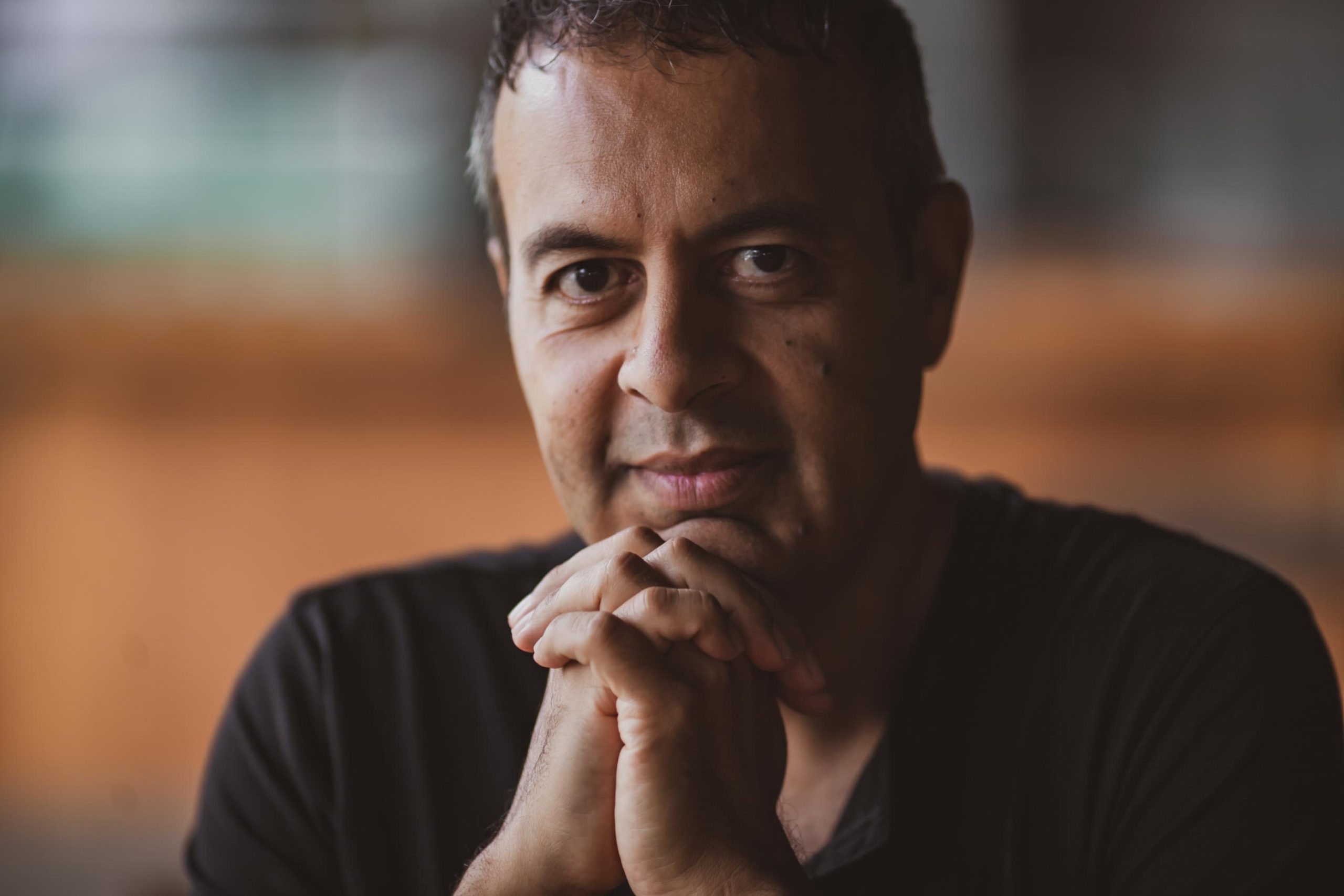
You pour all day—your attention, your calm, your presence—into the hands of people who need it. By nightfall you are empty, and you tell yourself this is what a good leader does, what a healer does, what any decent person does. You do not stop. You cannot afford to stop. But you are beginning to notice that the emptiness is not noble anymore. It is just empty.
Thich Nhat Hanh knew this particular exhaustion. He knew it because he lived it—a man who held thousands, who spoke to the wounded and the lost and the ones trying to find their way back to themselves. And what he discovered in that holding was not a method to stop the pouring. It was something stranger and truer: a prayer that is the pouring itself, and the emptiness, at once.
The Cup That Fills While Emptying
Picture a vessel being held in both your hands—a cup, an ordinary one, perhaps ceramic, worn smooth by use. Water is being poured into it from one side, clear and continuous, the stream steady and deliberate. But at the same time, from an opening on the far side, that same water is flowing out, running through your palms and down to the ground below. The cup is neither filling nor emptying. It is both, in the same gesture, in the same moment. A person watching would not know whether to call it full or void. They would only see the impossible thing: water passing through, nothing staying, nothing being withheld, and yet the cup itself is the place where the miracle occurs.
This is not an image of loss. This is the structure of a life lived in prayer—and Thich Nhat Hanh’s prayer is precisely this: the acceptance that you are the vessel through which something moves, not the container that holds it. The filling and the emptying are not opposite forces at war. They are the same act, the same breath, the same yes.
Why the emptiness feels like betrayal
You were told long ago—by teachers, by culture, by the weight of expectation itself—that a good person, a capable person, a responsible person becomes a cup that holds. You learned to thicken your walls. You learned to be dependable, which meant learning to absorb. For years this worked. You were admired for it. People came back to you again and again because you were the one who did not break under the load.
But a cup that only holds, never pours—and a cup that pours without ceasing while you wait for it to fill again—these are two fictions about the same impossible task. The one who empties herself at nightfall and waits to be filled by morning is caught in a logic that cannot hold. She is pouring water into one side of a sealed vessel and wondering why she is exhausted. Thich Nhat Hanh’s prayer opens the other side. It says: stop waiting to be filled in private so you can pour in public. The filling and the emptying are not two separate events. They are one continuous act of presence, and the moment you stop treating them as enemies, the exhaustion begins to change its meaning.
Meeting the paradox where you actually live
What Thich Nhat Hanh taught is that prayer is not a withdrawal from the work. It is not a pause, a recharge, a moment stolen back from the day so you can return to giving restored and full. That is still the old logic of the sealed cup. Prayer, as he lived it and taught it, is the willingness to let the water move through you without resistance—to be the channel rather than the container, and to trust that a channel does not become empty by flowing.
This requires something harder than discipline. It requires you to stop believing that emptiness is a failure of character. When you feel hollow at the end of a day of holding others, you are not weak. You are not doing it wrong. You are exactly where the prayer begins. This is the moment to turn toward the very sensation you have been trained to flee—the open space inside you, the place where nothing is being held, the freedom of having given everything and kept nothing back. A good therapist, trusted friends, people who know the shape of what you carry—these are not luxuries in this work. They are the other hands holding the cup. Seek them. Let them see the emptiness. That is not weakness calling for help; that is prayer recognizing itself in another person.
When the pull is strongest—when you are about to fill yourself back up with tasks and obligations so you do not have to feel the void—this is when the prayer is asking you to do the opposite. To notice the water flowing out. To let it flow. To discover that you are not diminished by what moves through you.
| What runs through your mind | What’s actually true |
|---|---|
| If I stop pouring, people will see I’m not strong enough to handle this. | The people you serve do not need you to be sealed. They need you to be real. Showing them the truth of your limits teaches them it is safe to have their own. |
| I should be able to give all day and still have something left at night. | That is not generosity. That is arithmetic that was never true. A life poured out is a full life. An empty cup at nightfall is not a sign of failure. It is a sign you were not holding back. |
| Prayer means taking time away from the people who need me. | Prayer is what happens when you stop treating the pouring as separate from the filling. It is not a pause from your work. It is the work itself, understood differently. |
| Everyone else seems to manage this without falling apart. | Everyone else who is any good is also falling apart at nightfall. They are just lying about it, or they are living in prayer and have stopped calling the emptiness a catastrophe. |
A little help, while you’re here
- Stop what you are doing at the moment you feel the depletion. Do not push through to the next task. Sit with the actual sensation of emptiness for five minutes—not to fix it, but to meet it as a true thing that is happening. This is the prayer beginning.
- Tell one person today—not the people you serve, but someone you trust—that you are empty. Use those words. Do not soften it to ‘tired’ or ‘busy’. Say: I am empty. Notice what happens when you name it aloud and do not try to manage their response.
- When the urge comes to fill yourself back up (with work, with planning, with the next emergency), do one small thing instead that requires you to be still and useless: sit by a window, pour tea and drink it slowly, listen to water running. This is not self-care language. This is prayer. You are practicing being a cup that does not resist the emptying.
The cup that knows itself
Thich Nhat Hanh spent his life in the presence of suffering. He sat with refugees, with monks, with people trying to rebuild themselves from catastrophe. He could have chosen to close himself—to hold what he was given and protect his own depths. Instead, he poured. Not once a day. Continuously. Until the end of his life. And what he discovered, what he taught, was that this was not a sacrifice of himself. It was the discovery of what he actually was: not a container but a movement, not a vessel that could run dry but a channel through which something real and unending moved.
You are not meant to be sealed. You are meant to be open—open on both sides, empty on both sides, full on both sides, because the fullness is in the flowing itself. When you stop resisting the emptiness, when you stop treating it as proof that you are doing something wrong, the prayer reveals itself. It was never a pause from your work. It was always the deepest part of your work, the part where you become the thing you have been trying to be: present, available, not holding anything back, and therefore held by something much larger than what you could ever contain.
The cup does not empty because it failed. It empties because it was made for this. Not dims. Not fades. Flows.