Chakra Blockages — The Stone Your Hand Learned to Hold
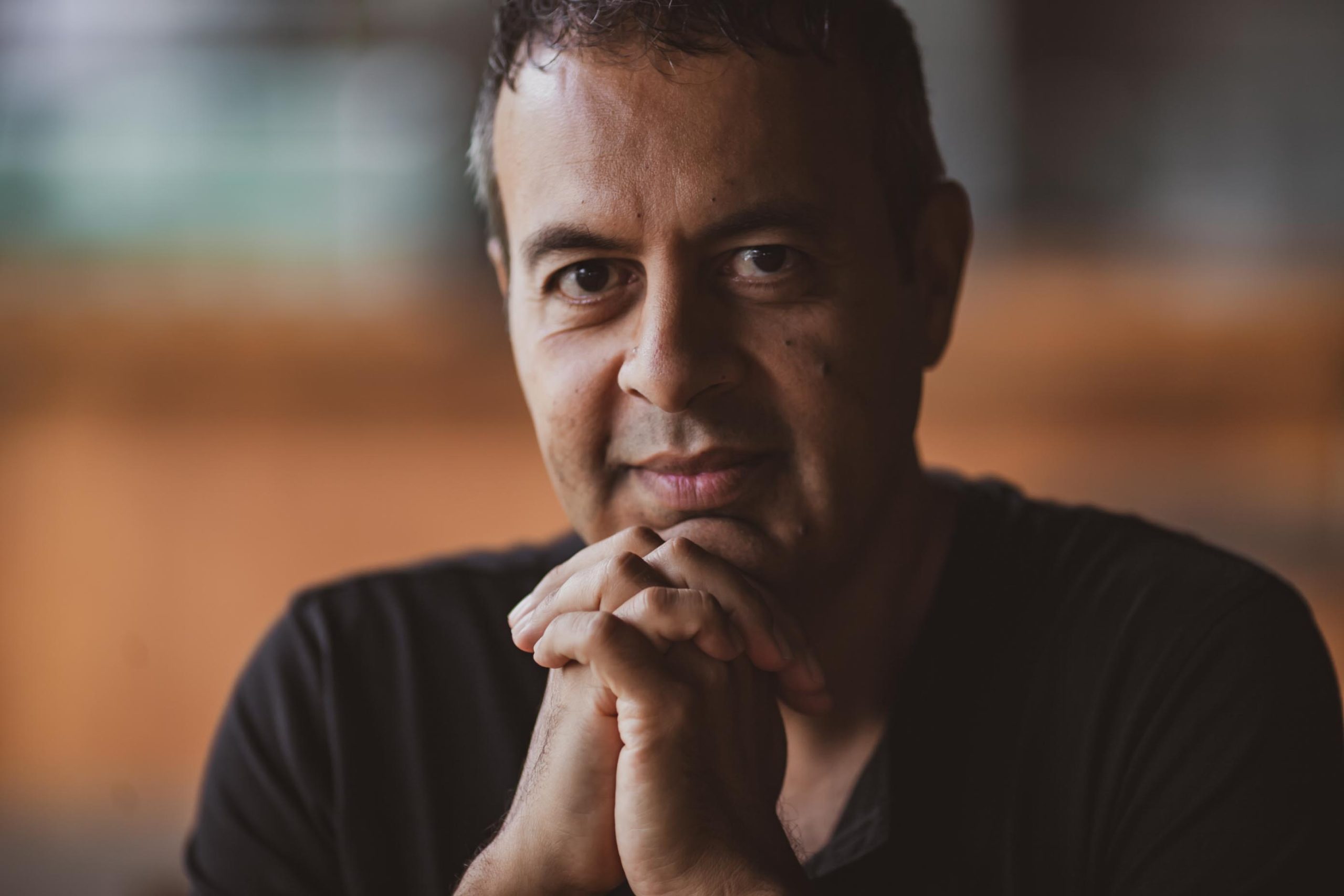
You have been looking for how to clear chakra blockages, and what you mean is this: there is something in you that will not move, will not open, will not let the rest of you breathe the way you used to—and you are tired of it being there. You know it is yours. You know you made it. And you cannot seem to undo it on your own.
The blockage is not a foreign object. It is not something that landed in you from outside and settled like debris. It is the shape your own hand learned to hold a long time ago, and the learning went so deep that your fingers curved inward around it, and now the stone and the fist are one thing, and you do not remember anymore what your open hand was for.
The fist around the stone
Picture a hand that has been clenched for so long that the fingernails have curved inward like a moon, and the palm has worn a perfect impression in the center—the exact weight and shape of what it holds. The stone inside has become polished by years of pressure. The whole hand has organized itself around this one thing: keeping it close, keeping it contained, keeping it from falling, keeping it from anyone else’s touch. Someone watching would think the hand was born this way. They would not see the choice underneath, because the choice is so old.
This is not about your chakras. This is about the part of you that decided, years ago, that something had to be held and controlled and never released—and you have been so faithful to that decision that your body has forgotten it was a decision at all. The blockage is not a malfunction. It is a loyalty. It is you keeping a promise you made to yourself when you were smaller and the world was harder and you needed something to hold onto so you would not fall apart.
Why can’t you move what you’re holding?
You cannot release what you cannot feel as a choice. A pattern that has lived in you for ten years, or twenty, or since you were a child—it has become the landscape. It is the ground you walk on. You do not feel it as something you are doing; you feel it as something you are. When a healer or a guide or your own intuition says “let it go,” what you hear is “stop being who you are,” and of course you resist that. Of course you hold tighter.
The blockage stays because you are still, somewhere in you, honoring the original reason you made it. Maybe you needed to hold steady when everything was chaotic. Maybe you needed to control one thing because so much was out of your hands. Maybe you needed to protect something tender. And that need was real. The protection was wise. But the fist has stayed clenched even now, even when the danger has changed, even when your hand has the fingerprints worn into its creases like scars. You cannot see the impression anymore. You cannot feel your own palm beneath it.
What clears a blockage, and where to reach
The clearing does not come from force, and it does not come from pretending the stone was never important. It comes from noticing—truly noticing, without shame—that you are still holding it. Feel the curve of your own fingers. Look at the crescent marks where your nails have dug in. Name what the stone was for. Say it out loud to someone you trust, or write it, or speak it to the quiet of your own room: “I held this to protect myself. I held this because I needed to.” The acknowledgment is the beginning of the opening.
Then comes the part that is harder: the ache that arrives when you try to straighten your fingers even a little. This is not a sign you are doing it wrong. This is the actual sensation of a muscle that has been contracted for years beginning to remember another shape. It will hurt. It will feel terrifying. This is the moment when many people clench again, and you cannot skip this part by working with a chakra visualization or an energy healer or an angel number. You need a real, present person—a good therapist, a trusted spiritual director, a somatic practitioner—someone whose job is to help you stay in your own body while the old pattern begins to release. This is not weakness. This is the work. A stone held for this long does not leave without a witness, and a hand that has forgotten how to open needs help remembering.
| What runs through your mind | What’s actually true |
|---|---|
| If I let this go, I will fall apart the way I almost did before. | You were smaller then, and you survived. You are not the same person. Your hands can catch you now. |
| Everyone else seems to move through life easily; something is wrong with me. | Everyone is holding something. Most people do not name it. You are the one brave enough to look. |
| I have tried to release this a hundred times and it never works. | You have tried to release it while still believing you needed it. That is not the same as opening. |
A little help, while you’re here
- Spend five minutes with your hand open on a table in front of you, and notice what you feel when there is nothing to hold. Do not try to make yourself feel anything. Just notice: Is there relief? Emptiness? Fear? Numbness? The noticing itself is the beginning.
- Write down the reason you made this blockage in the first place. Not the spiritual reason. The human reason. “I needed to not feel.” “I needed to stay in control.” “I needed to make sure I would not be abandoned.” Then read it aloud to yourself and say: “That was true then.”
- Call or schedule a session with a therapist, somatic practitioner, or healer who works with the body and time—not just energy work, but someone who helps you stay present while something moves. Do it today, or tomorrow. Do not wait.
The open hand
The debris falls away slowly. A fingernail uncurls. The palm begins to flatten. And then comes the strangest part—the flatness itself, the absence of pressure, the silence where the familiar weight used to be. This is when many people panic and reach for a new stone to hold, because the emptiness is so unfamiliar it feels like a mistake. It is not a mistake. It is your hand coming home to itself.
Your palm will bear the marks for a while—the crescents, the worn place where the stone lived. Those marks are not a failure. They are a record. They say you survived something, you protected something, you held on when you needed to hold on. And then you did the harder thing. You let it go. You did not let the old story be the end of the story.
Your open hand is waiting. Not to hold something new, but to move. To touch. To receive. To reach toward something without fear that you will drop it, because you are learning—slowly, with help, with real people around you—that you do not have to carry everything alone. The fist was faithful. The open hand is free.