
I Can’t Stop Controlling My Emotions — Let Your Hand Go
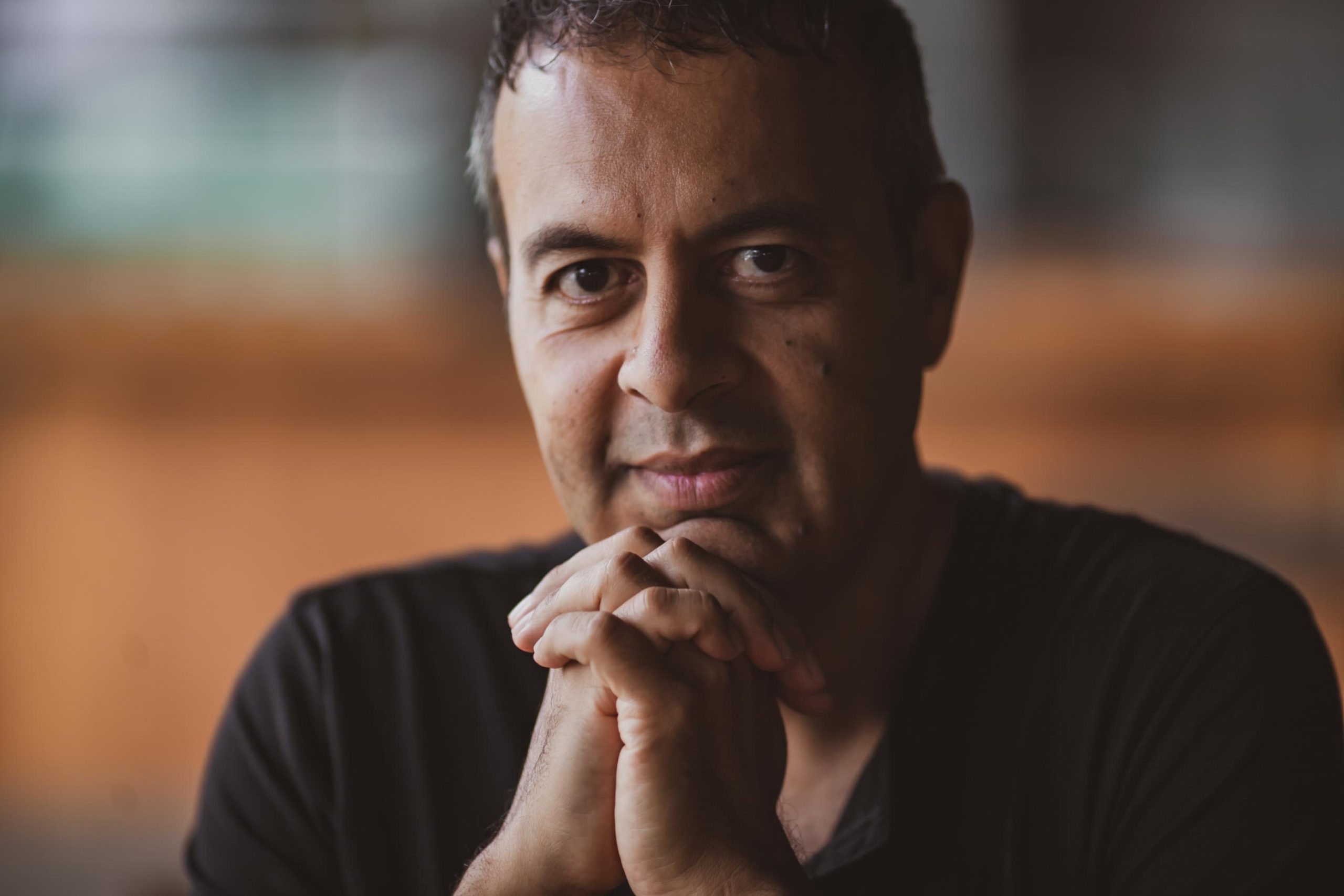
You are gripping something so hard your hands have stopped being hands and become tools of prevention—and you know, somewhere under the panic, that the grip itself is what you’re trying to control. The trigger is not the thing on the other side of the door. It is your own white knuckles.
What you are afraid of is not the emotion. It is what will happen if you stop strangling it. And I am going to tell you plainly: the emotion will happen. The tremor will come through. The voice will break. And you will still be standing, still breathing, still exactly who you are meant to be—more so, not less.
The White Knuckles
Picture a hand on a doorknob, gripped so tightly the knuckles have gone the white of bone. On the other side of the door, someone is speaking—saying something that landed wrong, or asking something you cannot answer, or simply existing in a way that reminds you of a time you cannot afford to remember. The hand does not turn the knob. The hand does not open the door. The hand holds. Holds. Holds. To anyone watching, it would look like you are keeping something out. What you are actually doing is keeping something in—the whole trembling, magnificent, terrifying thing that lives in your chest and wants to move, to shake, to be heard.
That hand is not your enemy. It has been holding you together since you learned that falling apart was not safe. But holding and strangling are not the same thing, and your grip has become so habitual, so automatic, that you no longer know which one you are doing. You feel the squeeze as safety. You have forgotten what it felt like to hold something gently—or to let it go.
Why You’re Gripping Before You Feel
A trigger is not a surprise to your nervous system—it is a memory. Your body recognizes the shape of something old, something that hurt, something that was too much to feel and survive all at once, and it moves before your mind catches up. The clenching happens first. The emotion arrives second. You think you are controlling the emotion, but what you are actually controlling is the moment before it—you are trying to crush it before it has a chance to exist, before it can spill over into the world and prove that you are not the steady thing you have spent years building yourself to be.
Leaders and healers do this most skillfully. You have trained yourself to be the hand that does not shake, the voice that does not crack, the presence that holds space for everyone else’s unraveling while your own remains perfectly, terrifyingly intact. The white knuckles on the doorknob are the price of that training. And they have worked—you have survived, you have held your people, you have done the work. But survival is not the same as living, and there is a difference between a grip that protects and a grip that slowly asphyxiates everything it touches, including you.
The Door Opens When You Unclench
The first thing you need to know is that loosening your grip does not mean losing control—it means discovering what you actually control and what you never did. You cannot control whether the emotion comes. You cannot control what someone says, or how it lands, or what it reminds you of. You can control whether you let the squeeze happen, whether you let the hand stay open long enough to feel what is underneath the panic. And I want to be clear about this: feeling it is not the same as becoming it. A wave of grief does not make you broken. A flash of rage does not make you dangerous. A moment of fear does not mean you are weak. It means you are alive, and you are human, and you have spent so long convinced that those two things were contradictions.
If you are a person who holds others—as a therapist, a teacher, a leader, a parent, a healer—get real help for yourself. Not someday. Not when things get worse. Now. A therapist who understands what it costs to be the steady one, who can help you distinguish between the grip that has protected you and the grip that is now strangling your own aliveness—that is not weakness. That is the bravest thing a holder can do. You do not have to unclench alone. The unclenching itself is the work, and it deserves the same care you give to everyone who comes to you broken.
The hand on the doorknob will begin to soften when you stop believing that softness equals loss. It will begin to open when you understand that what you are afraid will spill out—the grief, the rage, the terror, the tenderness—has already been running through you all along. You have just been using all your strength to keep it private. The door is waiting. The person on the other side is waiting. You are waiting.
| What runs through your mind | What’s actually true |
|---|---|
| If I let myself feel this, I will fall apart and never come back together. | Emotions move through you like weather. The fiercest storm passes. You will be tender after, not shattered. |
| I cannot let anyone see me crack. My people depend on me being solid. | Your people need to see that it is possible to feel deeply and still stand. Your tenderness teaches them theirs is allowed. |
| If I start crying, I will not be able to stop. | Grief has a natural rhythm. It rises, it peaks, it subsides. You will know when it is complete. |
| Controlling this feeling is the only way I am safe. | You are safe not because you feel nothing, but because you are witnessing your own experience instead of running from it. |
A little help, while you’re here
- Next time the trigger hits and you feel the white knuckles coming, place your other hand on top of the gripping one and simply hold it there for ten full breaths. Do not force the grip open. Just witness it. Name it: there are my hands trying to protect me.
- Find one trusted person—a therapist, a mentor, a friend who has earned your truth—and tell them specifically what you are gripping against. Name the thing you are afraid will happen if you let go. Say it out loud to another human being at least once.
- When you feel the squeeze building, place both hands flat on a surface—a table, your thighs, the ground—and press down with intention for five seconds, then release completely. Feel the difference between the two states in your palms. That difference is what you are learning to choose.
The Door Comes Open
The hand on the doorknob will open. Not because you force it, and not because you stop being strong—because you finally understand that you were never as fragile as you believed, and the things you were holding at bay were never as destructive as you feared. The person on the other side of the door does not need you flawless. They need you real. They need to see that a person can feel the full weight of what it means to be human and still be there, still be standing, still be worthy.
Your knuckles will go pink again. The blood will return. The hand will soften, and the door will open, and what comes through will not be the catastrophe you have been bracing for all these years. It will be aliveness. It will be the tremor in your voice that means you actually care about this person, about this moment, about this life. It will be the crack in your steadiness that lets another human being know they are not alone in theirs. And you will discover, finally, that the thing you have been protecting everyone from was never as dangerous as the distance it created between you and everything you were supposed to love.
Open the door. Your people need to see what is on the other side—because it is you, whole and real and brave enough to shake.